Displacement: Photo story
In 2024 alone, an estimated 123.2 million people were displaced, either within their own countries or across borders as refugees. Many were forced from their homes because of conflict, violence, persecution or disaster. Others left in search of safer environments and better livelihood opportunities due to economic or political upheaval in their countries.
When people flee, they often need to leave everything behind. Most of them face further difficulties on their journey to find safety, including a lack of access to basic necessities such as medical care, food and clean water. Responding to these needs is a core part of Doctors Without Borders/Médecins Sans Frontières (MSF) medical humanitarian response. These photos offer a glimpse of some of the work you helped make possible in 2024.
UKRAINE
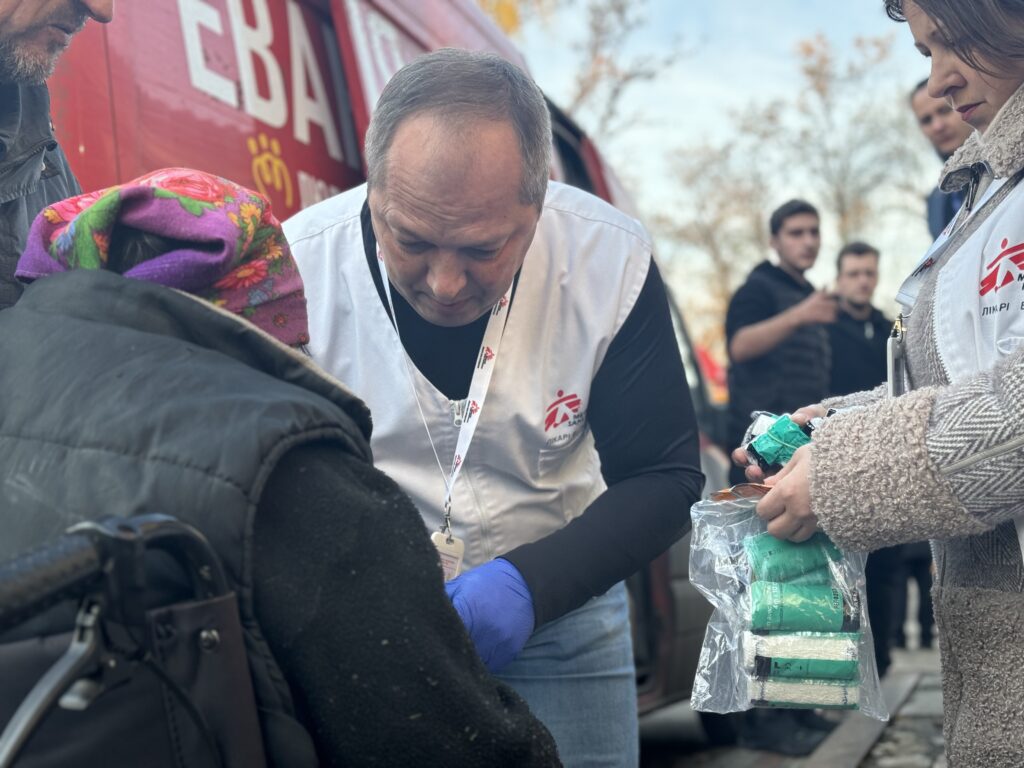
The wounds and medical needs of people fleeing Kurakhove, Donetsk region, revealed the harsh impact of war on civilians: no medical care, no electricity, no heat. Shelling had destroyed the Kurakhove Thermal Power Plant, cutting off electricity and heating. Hospitals in the area were no longer operational, forcing residents to travel long distances for care. Many people had to wait several days, as bombing continued, before they were evacuated to a transit centre in Pavlohrad (Dnipropetrovsk region), 150 kilometres away. MSF teams, which run a mobile clinic in Pavlohrad, treated more than 200 patients over two months.
BANGLADESH
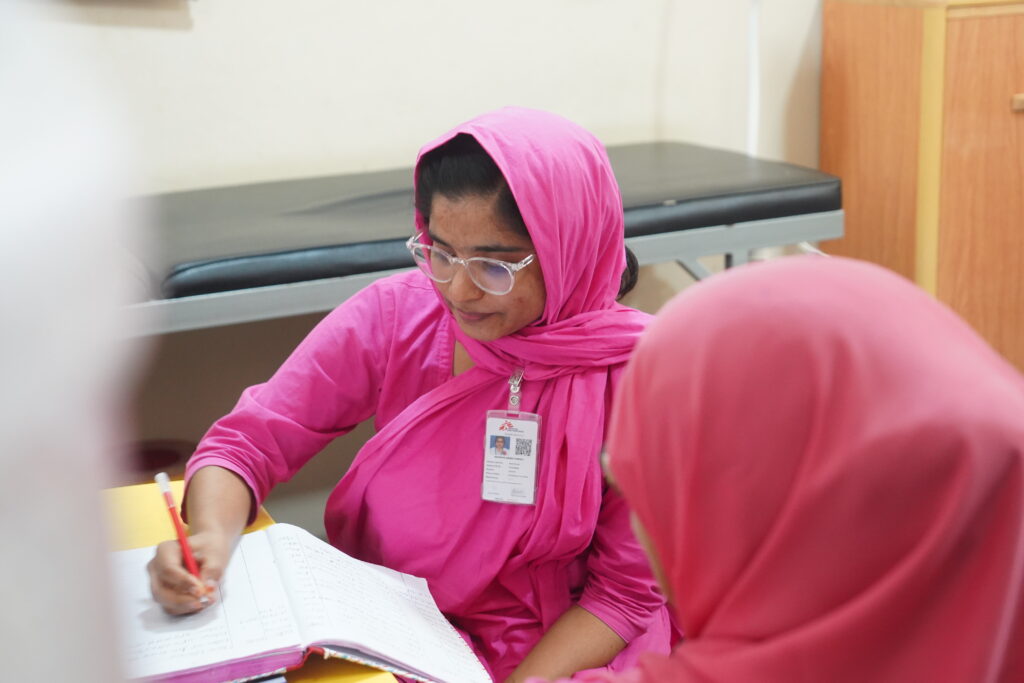
“At our Kutupalong clinic, I see a critical need: supporting survivors of sexual and gender-based violence. Fear and stigma often prevent survivors from seeking help and can lead to treatment delays. There are more difficulties for Rohingya women who are displaced from their motherland and have taken refuge in Bangladesh. Fear of being outsiders and limited movement within camps hinder healthcare access. MSF offers confidential services to all survivors, regardless of their origin. This includes medical care, counselling and medication. Special signs like white flowers or the phrase “Mashir Ghor” help women access care discreetly.”
– Sumaiya Shimu Kakoli, MSF midwife.
GEO BARENTS – MEDITERRANEAN SEA
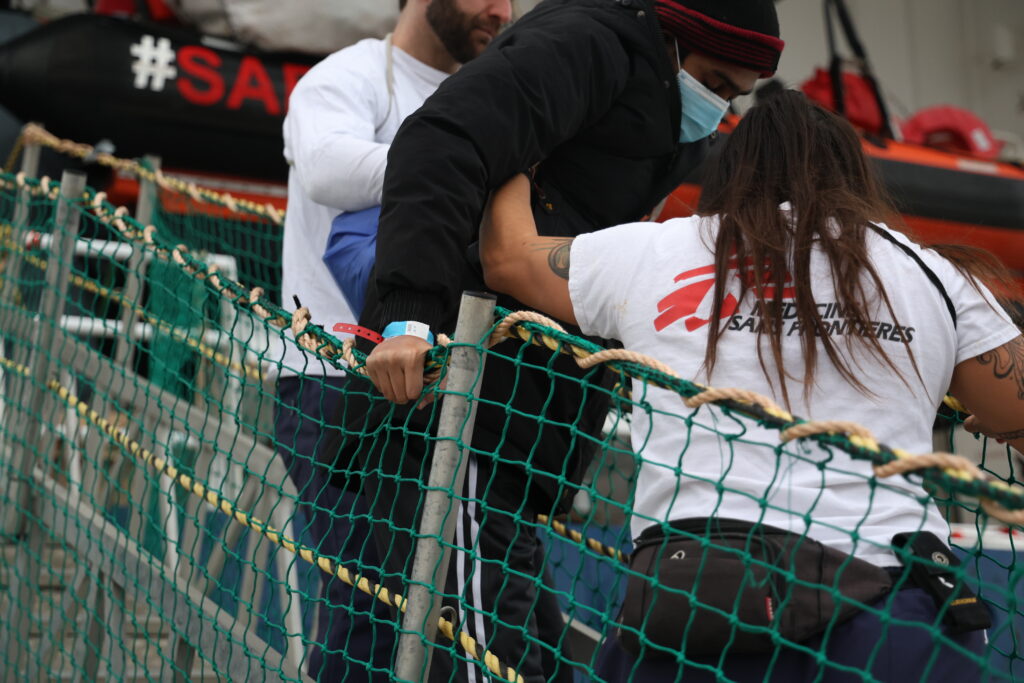
“As people stepped onto the deck, they were wet and shivering, with anxious looks on their faces. We offered them dry, warm clothes, food, water and a place to rest. It was comforting to see the 68 rescued people safe on board and resting after such a dangerous and stressful journey. Among them was one pregnant woman and several children. They came from Syria, Palestine, Bangladesh, Pakistan and Egypt. As the reality of their new situation sunk in – that they had been rescued – the look of happiness and relief on their faces was amazing to see.”
– MSF International President Christos Christou, who joined MSF’s search and rescue team on the Geo Barents for two weeks in January.
MEXICO
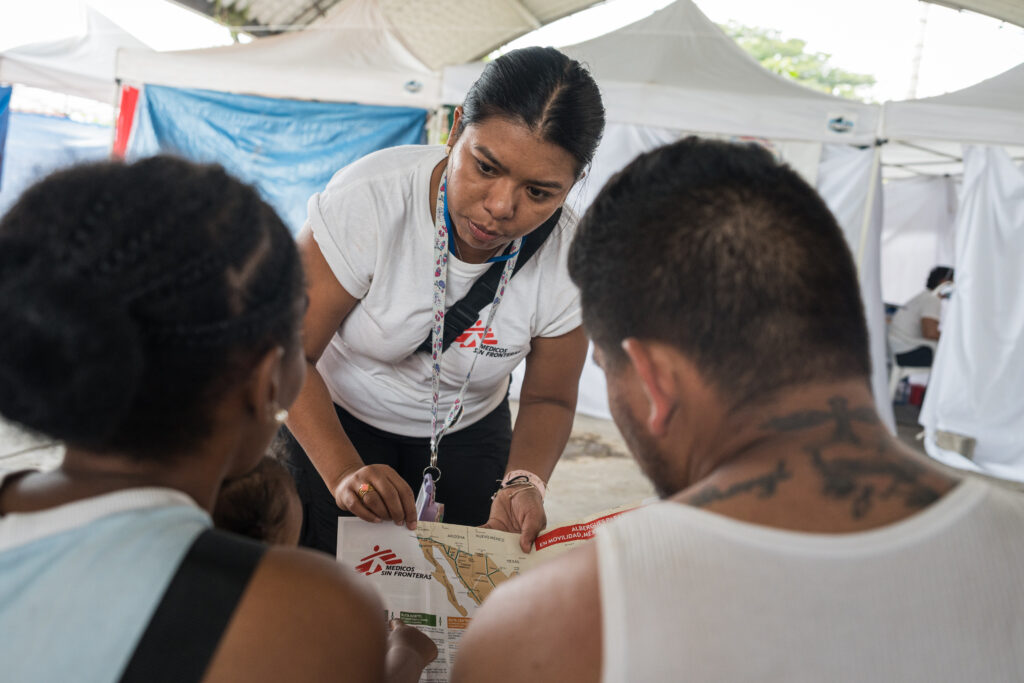
Between the end of September and the beginning of December, MSF responded to 12 caravans — made up of some 10,000 people — in the states of Chiapas, Oaxaca and Veracruz, providing more than 1,900 medical consultations. Due to an increase in migrant caravans, particularly following the US election, MSF expanded our assistance through mobile clinics in late 2024. Our teams report that the people they treat — especially women and children — often have limited access to basic services and spend long periods in unsanitary, hostile environments that worsen medical and mental health issues.
LEBANON
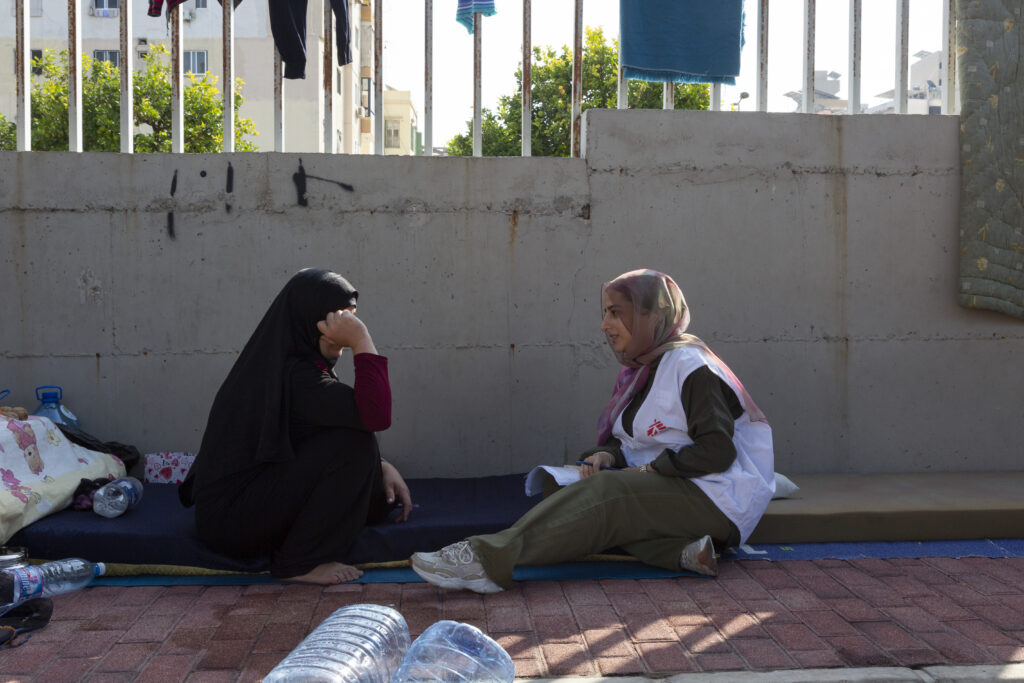
Um Mohammad, a Syrian refugee living in Lebanon fled with her three daughters after an airstrike landed dangerously close in Qsaibeh, south Lebanon. She packed a change of clothes for each of them and grabbed only a blanket, leaving behind the groceries she had bought that day on her kitchen floor. Amid bombardment and incursions across southern Lebanon, countless families were uprooted, many seeking refuge in the coastal city of Saida. MSF’s mobile medical teams visited several locations, offering general healthcare, medication and mental health support to people displaced by the violence.
MALI
© Mohamed Dayfour Diawara
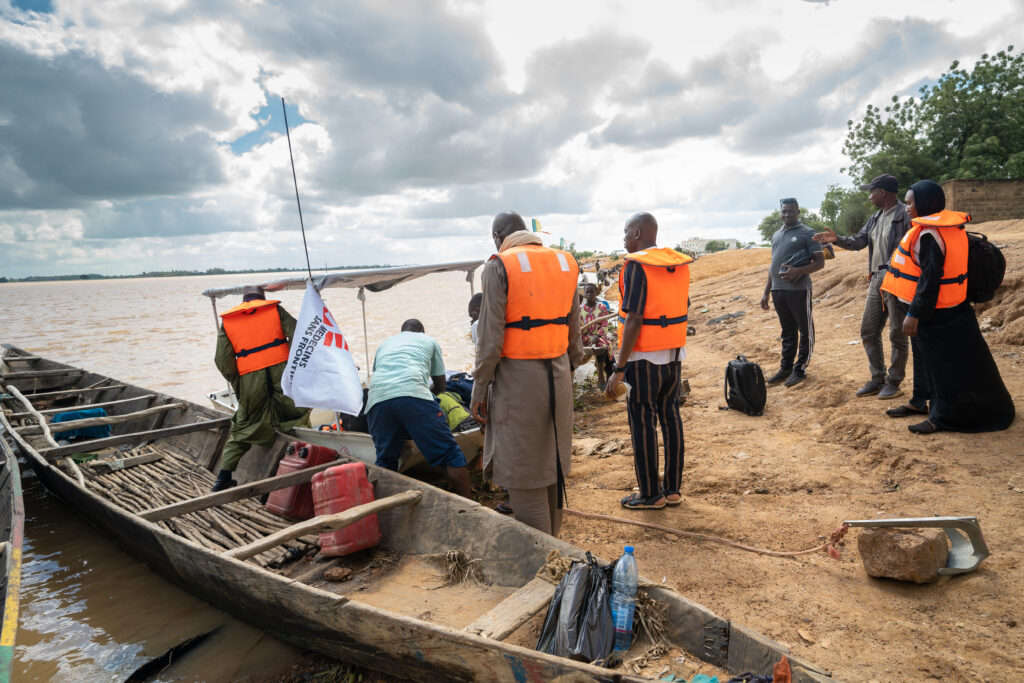
In October, heavy rains resulted in flooding in several regions of Mali, causing widespread destruction and displacing thousands of people. For the first time since 1966, the high dykes in Ténenkou were unable to prevent the town from being flooded. The floods led to a rapid growth in the number of mosquitoes, contributing to a significant increase in malaria cases. MSF collaborated with the Malian authorities to respond to people’s urgent needs – providing medical care and essential household items, supplying clean water and building latrines.